Metallurgy: The Foundation of Modern Materials Engineering

Materials engineer passionate about metals, nanomaterials, and innovative material testing. Always searching for practical answers and fresh ideas.
Metallurgy is the backbone of materials engineering—bridging the gap between raw elements and functional materials that shape our daily lives. Whether you’re designing skyscrapers, exploring nanomaterial innovations, or improving sustainable materials, metallurgy offers tools, techniques, and evidence-based knowledge to rethink what’s possible with materials.
What is Metallurgy?
Metallurgy is the science and technology of extracting, refining, alloying, and shaping metals. More than bronze swords or steel bridges, metallurgy now stretches from traditional smelters to advanced labs pushing atomic boundaries. From copper wires in electronics to titanium implants in medicine, metallurgical decisions affect safety, performance, and sustainability.
Core Processes in Metallurgy
Let's break down metallurgy into its main processes:
Extraction: Mining and chemical processing (think: turning ore into usable metal).
Refining: Purification using processes like electrolysis or smelting.
Alloying: Mixing metals or adding elements for desired properties (e.g., stainless steel = iron + chromium).
Shaping: Techniques like forging, rolling, or casting to form components.
Curiosity is the best lab tool. Each of these steps requires both theoretical understanding and real-world testing methods to ensure reliable materials.
Metallurgy and Sustainable Materials
As the world seeks greener technologies, metallurgy has pivoted toward sustainable materials:
Recycling: Refining scrap metal uses less energy than fresh extraction, reducing emissions.
Lightweight Alloys: Aluminum-lithium alloys in aviation save fuel, lowering carbon footprints.
Bio-derived Materials: Advances in green metallurgy use biological processes—microbes that leach metals from ores, for example.
If you’re interested in sustainable material strategies, check out our article on [Sustainable Materials in Engineering](engineering/materials-engineering/sustainable-materials).
Nanomaterial Innovations in Metallurgy
Modern metallurgy isn’t just about bulk materials—it’s about manipulating structure at the nanoscale. Nanomaterial innovations are revolutionizing everything from aerospace to medical devices:
Grain Refinement: By controlling crystal size at the nanoscale, metals gain higher strength and toughness (think: superstrong nanostructured steels).
Surface Coatings: Nanoparticle-infused coatings provide corrosion resistance and self-cleaning surfaces.
Smart Alloys: Nanomaterials can change properties in response to heat or stress, finding use in shape-memory alloys.
For a deep dive, see our guide on [Nanomaterial Innovations for Engineers](engineering/materials-engineering/nanomaterial-innovations).
The Importance of Real-World Testing Methods
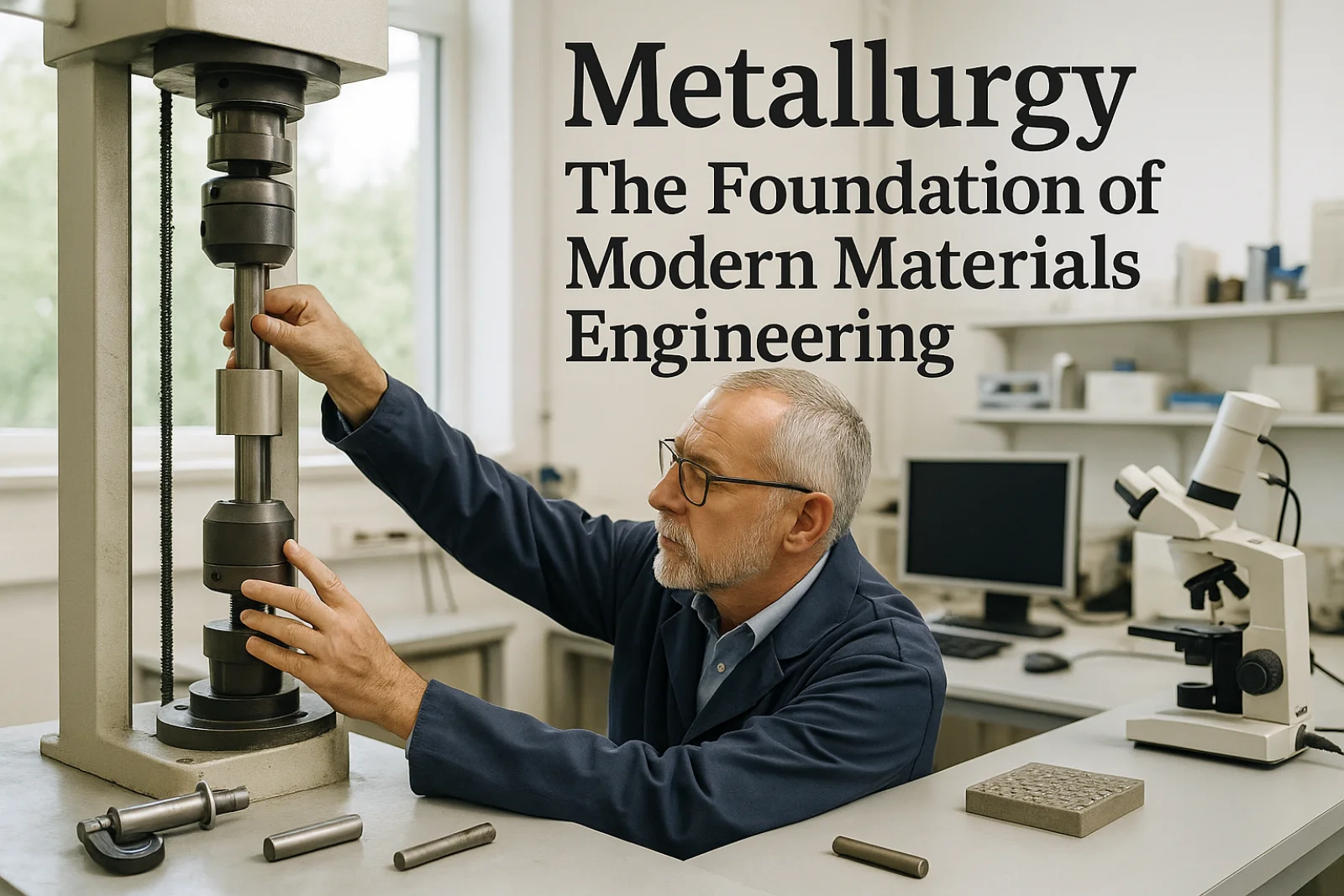
Theory is wonderful, but testing reveals more than theory alone. Real-world testing methods ensure metallurgical research translates to safe, practical applications. Common methods include:
Tensile Testing: Measures strength and ductility—essential for construction metals.
Hardness Tests: Quick indicator of wear resistance.
Fatigue Testing: Predicts long-term performance, especially under repeated loading.
Corrosion Testing: Essential for marine, chemical, and infrastructure materials.
Practical tip: Always pair lab tests with field trials. Visit our page on [Material Testing Methods](engineering/materials-engineering/material-testing-methods) for protocols and case studies.
Metallurgy in Everyday Life
Here’s where things get fun—metallurgy’s impacts are everywhere:
Automobiles: Lighter, safer metals improve fuel efficiency and crash protection.
Consumer Electronics: Fine-tuned metal alloys keep our devices cool and operational.
Medical Devices: Implants use biocompatible alloys for long-term safety.
Let’s rethink what’s possible with materials.
Conclusion: Where Next?
From sustainable innovations to nanomaterial breakthroughs and rigorous real-world testing methods, metallurgy is far from dusty history. It’s a dynamic field shaping our future. Whether you’re a student, engineer, or just STEM-curious, keep exploring, keep testing, and remember—real data, real results.
Safety tip: Always follow best safety practices in laboratory and industrial settings. For specialized procedures, consult detailed technical documentation.
Curiosity is the best lab tool. Ready to start your metallurgy journey? Dive into more resources on materials engineering and keep pushing boundaries!
Loading…