Buddhism: Ethics, Practice, and Meaning in Everyday Life

I write about Buddhism, Hinduism, and the philosophy of religion with a focus on how ideas shape daily life. Based in Kazan, I like making complex traditions readable without flattening them.
Buddhism is a major religious tradition shaped by the teachings of the Buddha, who is remembered as a teacher of awakening rather than a creator god. At its center are questions about suffering, conduct, mindfulness, and liberation. Let me put it plainly: Buddhism is not one single system, but a family of traditions with shared themes and many local forms.
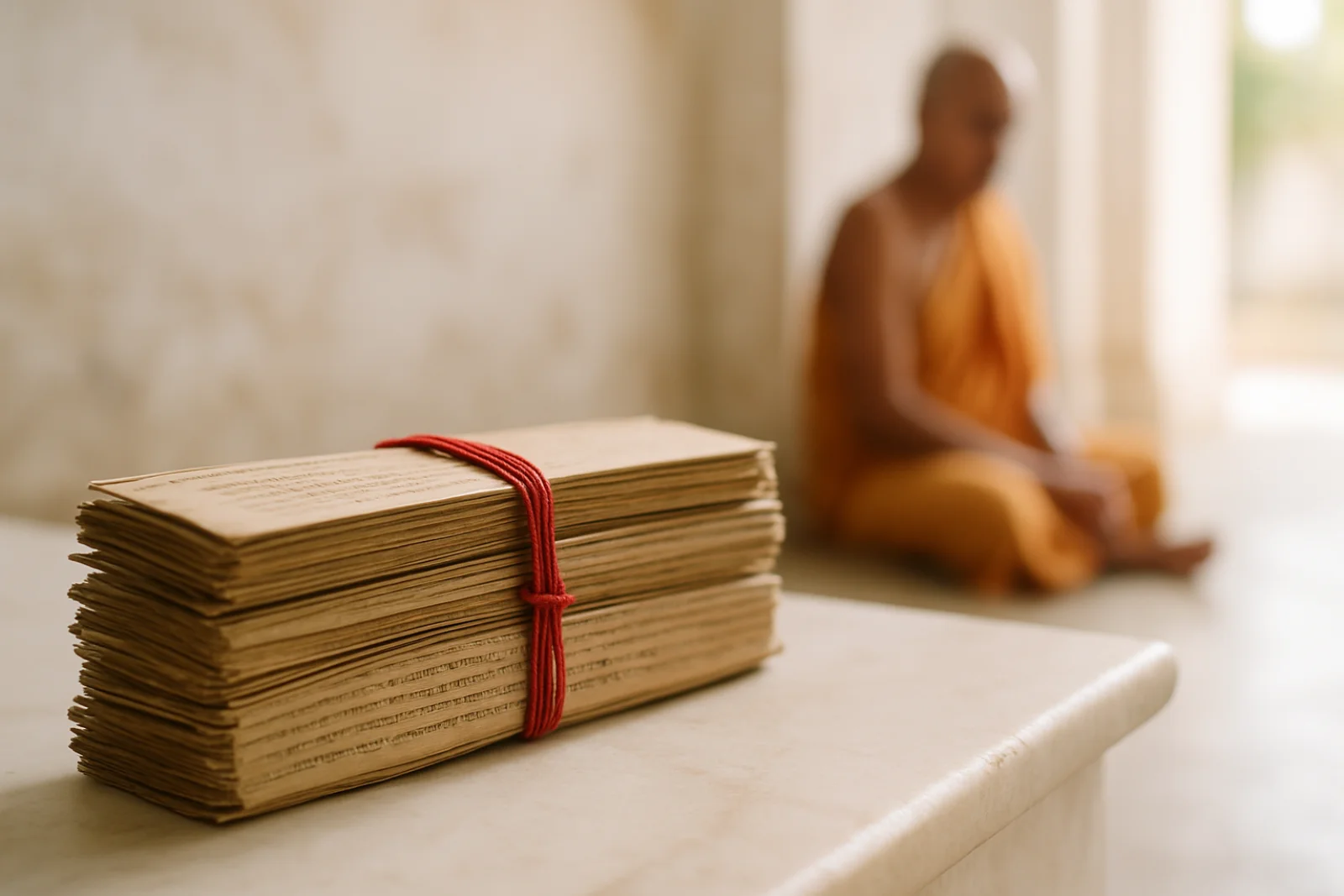
What Buddhism Is
Buddhism began in ancient India and spread across Asia in different schools and cultures. Its basic concern is human suffering and how to understand it. The tradition asks why life feels unstable, why desire and fear bind people, and what kind of discipline can lead to freedom.
In philosophy of religion, Buddhism is often discussed because it does not fit neatly into the usual “belief in God” model. Some forms are highly devotional, while others are more philosophical or meditative. That distinction matters here. Buddhism includes doctrine, ritual, ethics, meditation, and community life, but not all schools emphasize them in the same way.
Core Ideas
A common starting point is the Four Noble Truths:
Life includes suffering or unsatisfactoriness.
Craving and ignorance are major causes of this suffering.
There is a path beyond suffering.
That path is the Noble Eightfold Path.
The Eightfold Path is often grouped into wisdom, ethical conduct, and mental discipline. It includes right view, right speech, right action, right livelihood, right effort, right mindfulness, and right concentration. This is not just theory. The interesting part is how it lives in practice.
Buddhism also teaches impermanence, non-self, and dependent origination. These are technical ideas, but the basic meaning is simple: things change, the self is not a fixed essence, and everything arises in relation to other causes and conditions. That view shapes Buddhist ethics and meditation.
Ethics and Daily Conduct
Buddhist ethics is usually practical before it is abstract. Many lay Buddhists follow five precepts: avoiding killing, stealing, sexual misconduct, false speech, and intoxication. These are not always presented as commandments from above. They are training rules meant to reduce harm and support clarity.
Monastic life gives these principles a stricter form. Monks and nuns often live under detailed disciplinary codes, while laypeople practice through family life, work, and community obligations. In many societies, Buddhism is woven into everyday social life through giving, festivals, prayer, and care for ancestors or the dead.
This is where ritual matters. Ritual in Buddhism may include chanting, offerings, circumambulation, bowing, meditation, and merit-making. Some outsiders assume ritual is only symbolic, but in lived tradition it connects memory, ethics, and community. A ritual can teach attention as much as belief.
Buddhism and Hinduism
Comparisons with Hinduism are useful, but they need care. Buddhism emerged in a South Asian world shaped by Hindu traditions, shared vocabulary, and debate. Both traditions speak about karma, rebirth, meditation, liberation, and disciplined living.
Still, the differences are important. Buddhism generally rejects the idea of a permanent self and does not ground liberation in a soul’s union with an ultimate self or God in the same way some Hindu schools do. Hinduism is highly diverse, so any comparison should be honest and specific. I want to keep the comparison honest. A single contrast can easily erase real complexity.
For example, some Hindu traditions focus on devotion to a personal deity, while Buddhism may focus on awakening through insight and practice. Yet in many places, the lived religions overlap in shared customs, temple culture, and moral language. Comparative religion works best when it notices both difference and contact.
Buddhism in Society
Buddhism is not only a set of ideas. It shapes social life in temples, homes, schools, markets, and festivals. In some countries it is closely tied to national identity. In others it survives as a minority tradition or a cultural inheritance.
Buddhist institutions often support education, charitable work, funeral rites, and community gatherings. At the same time, modern Buddhist communities debate how to relate tradition to gender, politics, social reform, and science. These debates are real and ongoing. Buddhism has never been frozen in one historical moment.
Why Buddhism Still Matters
People are often drawn to Buddhism because it offers a disciplined way to face suffering without denying it. Others value its meditation methods, its ethical clarity, or its quiet critique of attachment and ego. For scholars of philosophy of religion, Buddhism raises useful questions about personhood, salvation, ritual, and the meaning of liberation.
I’d read this in its full setting: Buddhism is best understood not as a single slogan, but as a lived tradition of texts, practices, and communities. It is at once philosophical and devotional, individual and social, ancient and changing.
Conclusion
Buddhism remains important because it asks a hard but simple question: how can a person live wisely, ethically, and with less suffering? The answer varies across schools and cultures, but the path usually combines insight, conduct, and practice. If you want to understand Buddhism well, start with its basic teachings, then look at how they appear in ritual, ethics, and everyday life.
Loading…