Film Analysis: Unlocking the Secrets Behind Great Cinema

I’m a Paris-based student and cinephile, writing about film history, screenwriting, and how movies shape culture.
Film analysis isn’t just for stuffy professors in tweed jackets; it’s for anyone who’s ever fallen in love with a movie and wanted to know why. Whether you’re a budding screenwriter, a movie marathon enthusiast, or just curious about what makes films tick, understanding film analysis opens up a new world. Let’s dive into this film’s layers and see what’s really going on behind the scenes!
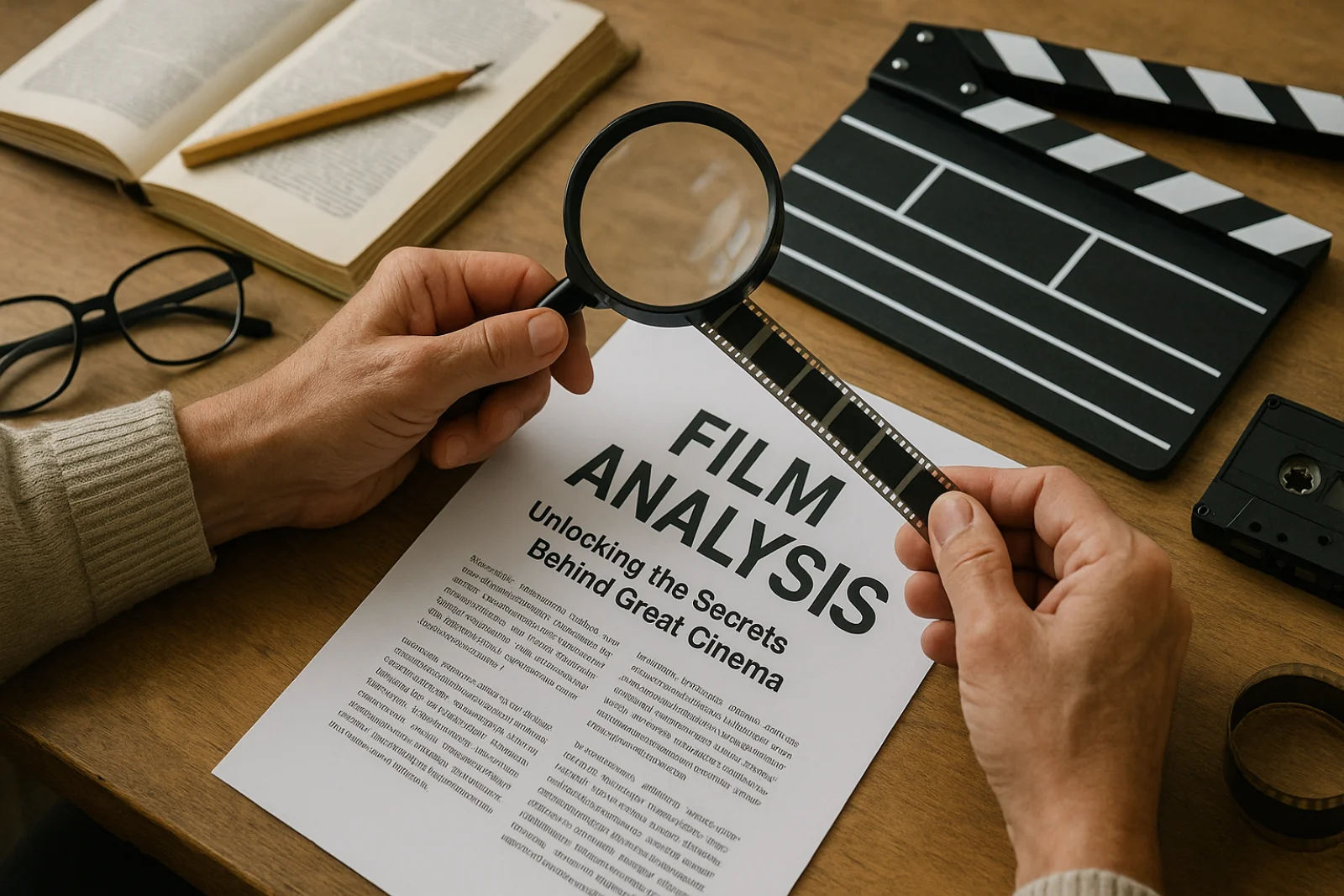
What Is Film Analysis, Really?
At its core, film analysis is about breaking down movies to understand how they work. It’s like reverse engineering your favorite gadget—except your gadget is a story, told through visuals, sound, and emotion. You might ask: Why did the director frame this shot so tightly? or How does the soundtrack change the mood of a scene? Screenwriting is all about choices, and every directorial decision shapes the final product.
Film analysis combines several disciplines—cinema history, screenwriting basics, visual storytelling, and even psychology. For students and young cinephiles, it’s the perfect entry point to both appreciating movies and making your own.
The Basics: How to Start Analyzing Films
So, how do you get started? First, don’t overthink it! Begin by watching a film you love. Take notes on what stands out: the story, performances, cinematography, editing, music, or even costume design. Every cut tells us something. Here are a few steps I use when digging into a movie:
Watch Actively: Don’t just sit back—engage! Ask yourself why certain scenes affect you.
Break Down Scenes: Pick a favorite moment and look at the camera angles, lighting, and dialogue. What really makes this scene work?
Explore Themes: What is the film really about? Is there a cultural or historical context?
For more on starting your analytical journey, check out [Beginner’s Guide to Cinema Appreciation](../beginner-guide-cinema).
Cinema History: The Roots of the Art
Every film is a product of its time and place. Understanding cinema history gives you powerful context for your analysis. Take the French New Wave—directors like Jean-Luc Godard and François Truffaut broke away from traditional storytelling, using jump cuts and on-location shooting. Their rebellious spirit lives on in every indie filmmaker today.
Similarly, India’s Parallel Cinema movement (think Satyajit Ray or Shyam Benegal) focused on realism and social issues, a far cry from the song-and-dance spectacle of Bollywood. Each movement, whether in France or South Asia, was a reaction to its cultural climate. There’s more to the story than meets the eye—digging into history uncovers those hidden layers.
For more about cinema’s fascinating past, you might enjoy [Exploring World Cinema Movements](../world-cinema-movements).
Screenwriting: The Blueprint of Storytelling
Great films begin with great scripts. Screenwriting isn’t just about writing dialogue; it’s about structure, pacing, and subtext. Ever notice how tension builds in a Hitchcock thriller or how a single line in a coming-of-age story can break your heart? Those moments are carefully crafted.
Here’s a quick tip: Try reading a screenplay of your favorite movie alongside watching it. You’ll spot the choices that directors and actors make, bringing the words to vivid life. For students, studying screenwriting basics is a game-changer—it’s like unlocking a director’s secret playbook.
If you want more insights, don’t miss our [Screenwriting Tips for Young Filmmakers](../screenwriting-tips).
Cultural Impact: Films as Windows to Society
Movies do much more than entertain; they reflect and shape our world. From the social critique of Parasite to the celebration of tradition in Monsoon Wedding, films often carry cultural weight.
Think about how Black Panther became a global phenomenon, not just for its superhero action, but for its representation of African culture and identity. Or how French films like La Haine dive into the struggles of marginalized youth. Film analysis lets us see these cultural conversations in action. Every region, every era, brings something unique to the screen.
Conclusion: Your Next Steps as a Cinephile
Ready to jump in? Start with a film you love—or one you hate!—and ask questions. Seek out films from different countries and eras. Read about cinema history, explore screenwriting basics, and most importantly, follow your curiosity. Remember, every film is a conversation waiting to be discovered.
Curious for more? Dive into our latest guides and share your thoughts—let’s keep this dialogue rolling! After all, movies are best enjoyed (and analyzed) together.
This article contains personal opinions and encourages you to form your own conclusions as you explore cinema.
Loading…