Power Electronics: The Backbone of Modern Electrical Engineering

Power electronics engineer passionate about smart grids and embedded innovation. I enjoy simplifying complex technology for practical applications.
Power electronics makes modern life possible—seriously! From charging your phone to powering electric cars, this field handles converting and controlling electrical energy efficiently and reliably. Let’s break it down and see how you can get hands-on with this critical area of electrical engineering.
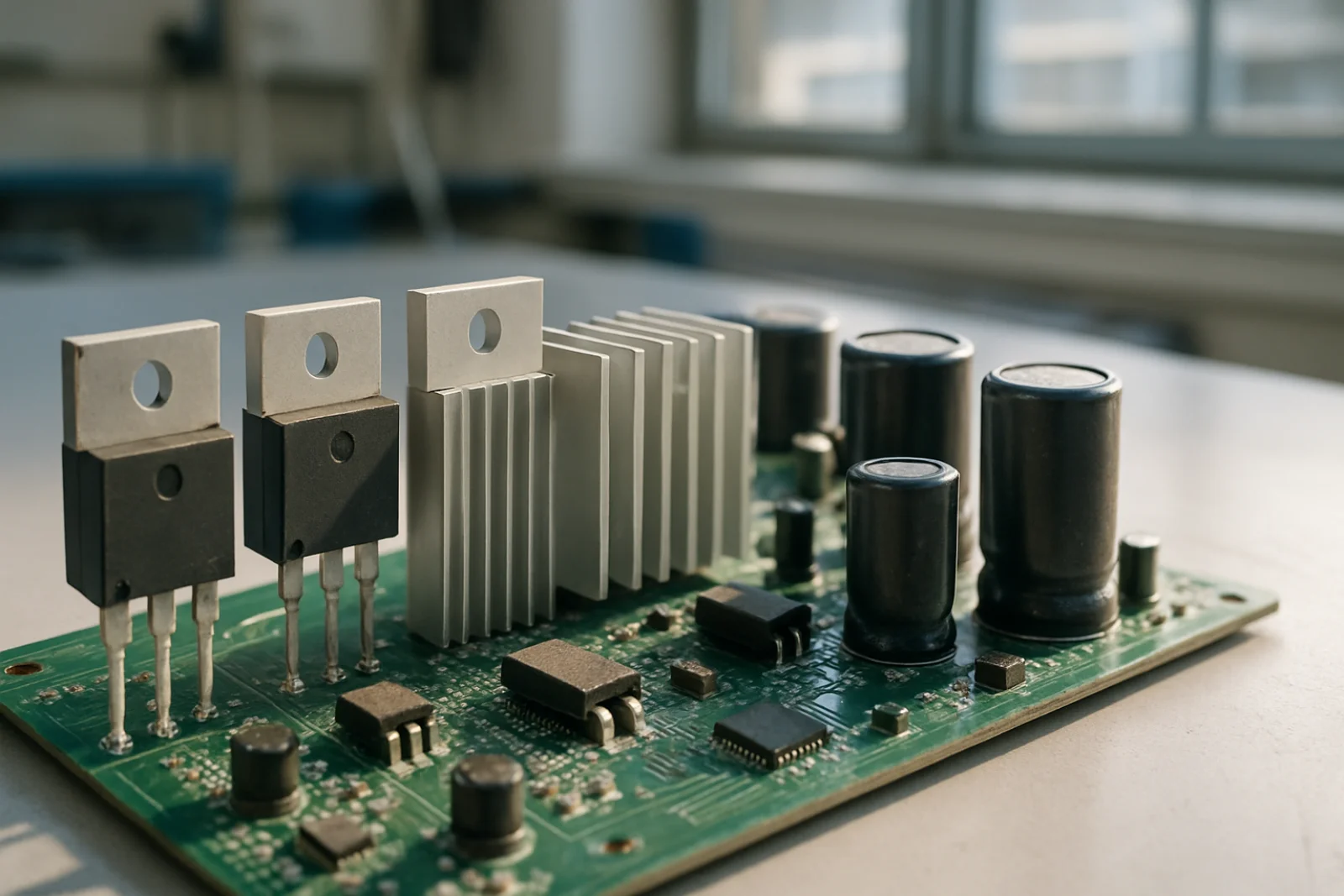
What is Power Electronics?
Power electronics is all about managing the flow of electrical energy using solid-state devices like diodes, transistors, and thyristors. Unlike signal electronics, where the focus is on information, power electronics focuses on energy transfer—think large currents, high voltages, and the need for efficiency.
Key Principles
Conversion: AC to DC (rectifiers), DC to AC (inverters), DC to DC (choppers), and AC to AC (cycloconverters).
Switching Devices: MOSFETs, IGBTs, and SCRs are the workhorses here. They rapidly switch electrical paths to control power flows with minimal loss.
Control: Embedded systems and digital signal processors (DSPs) often regulate these devices for precise output.
Practical Applications
Efficiency leads the way in power electronics applications:
Motor Drives: Nearly every industrial facility relies on variable frequency drives (VFDs) for motors, letting you adjust speed and torque on the fly. For example, conveyor belts and HVAC fans use VFDs to save energy and extend equipment life.
Renewable Energy: Solar inverters and wind turbine converters transform raw, irregular power into stable electricity compatible with the grid.
Smart Grids: Intelligent inverters, sensors, and controllers help balance supply and demand, especially with more renewables coming online.
Consumer Electronics: Chargers for laptops and phones use power supplies that convert and regulate voltage safely and efficiently.
Example: Troubleshooting a Motor Drive
Suppose you’re working with a conveyor system powered by an induction motor and a VFD. One day, the motor doesn’t start. Here’s a practical approach:
Check power supply: Is the VFD getting the correct voltage?
Examine control signals: Are the start/stop signals reaching the drive?
Inspect error codes: Most VFDs have displays or LEDs that flag faults like overcurrent or overheating.
Test the motor: Is the motor receiving the correct output from the drive? Use a multimeter or oscilloscope.
Look for overheating: Both VFDs and motors can shut down if they get too hot.
Always consult the VFD and motor datasheets, and observe all safety protocols when working with live systems.
Tips for Hands-On Power Electronics Work
Start Small: Experiment with low-voltage switching circuits before tackling high-power systems.
Read Datasheets: Component specs are your best friend for understanding ratings and wiring.
Use Simulation Tools: Software like LTspice or MATLAB/Simulink lets you test designs before hardware.
Think Thermal Management: Efficient heat dissipation protects devices. Use heatsinks and consider airflow.
System Integration: Where Power Electronics Meets Embedded Systems
I’ve spent countless hours integrating power converters with microcontrollers and DSPs, especially for smart grid and automation projects. Real-world impact matters: smooth integration means safer, more reliable, and more flexible systems. For instance, a well-programmed microcontroller can adjust inverter output based on sensor feedback, ensuring a stable AC output even as renewable energy supply fluctuates.
Conclusion
Power electronics is everywhere—from industrial plants to your pocket. If you’re aiming for a career in electrical engineering, it pays to get hands-on with converters, drives, and controllers. Simplicity is powerful: start with the basics, experiment safely, and build up your skills step by step. Ready to electrify your projects? Dive into the practical side of power electronics and see just how much you can power up the world.
Disclaimer: Always consult datasheets and manufacturer documentation before implementing hardware. Follow all safety protocols when working with electrical systems.
Loading…