Property Development: A Practical Guide to Costs, Risk, and Cash Flow

I advise investors and developers on commercial property in Volgograd, with a focus on stable returns, tenant quality, and practical project execution.
Property development is where land, capital, planning, construction, and leasing come together. For many investors, it looks attractive because it can create value faster than buying a stabilized asset. But the operating reality is simple: property development is a capital-intensive business, and the numbers must work before the first shovel hits the ground.
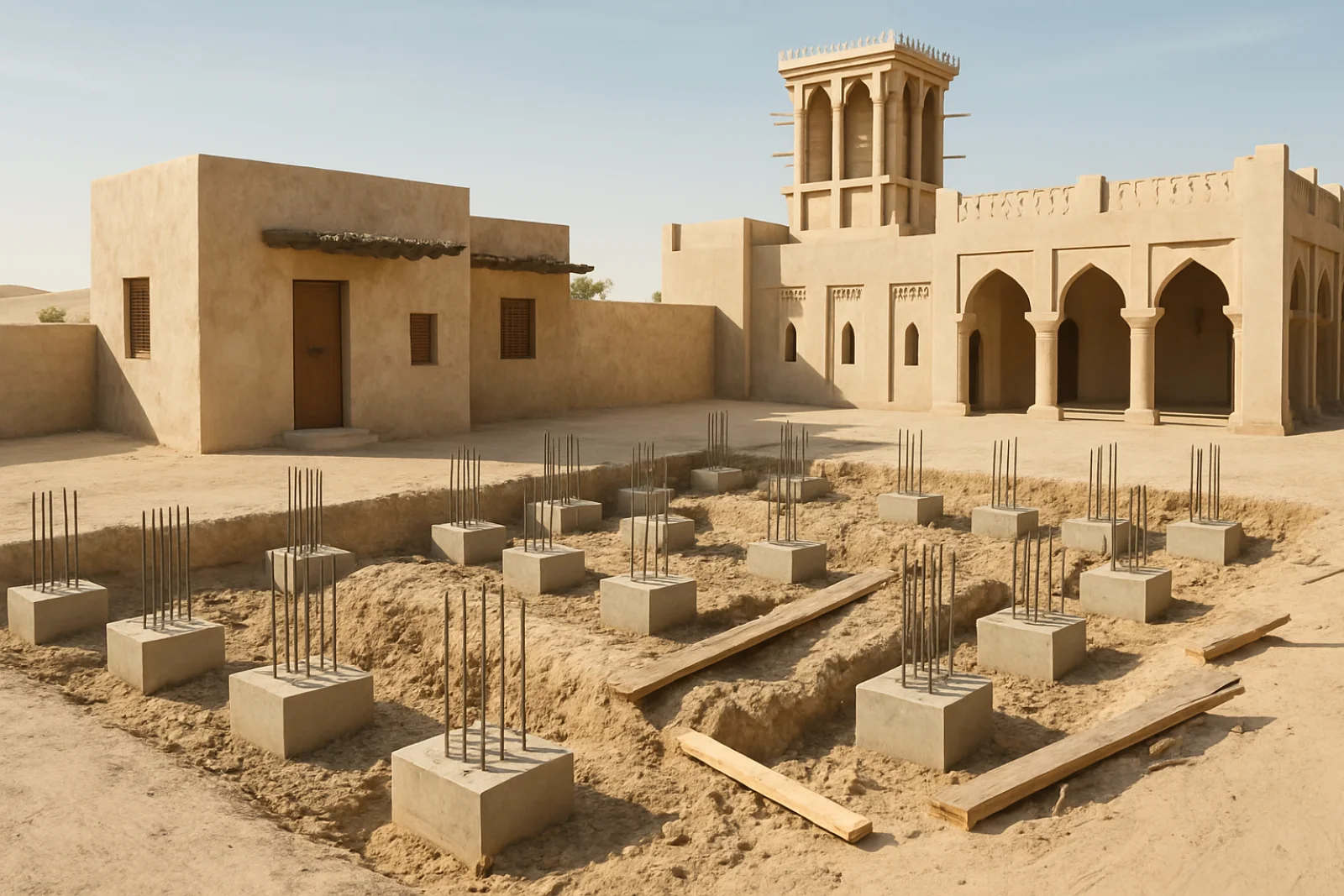
What Property Development Really Means
Property development covers the process of creating or improving real estate for sale, lease, or long-term holding. In commercial real estate, this may include:
New office, retail, industrial, or mixed-use buildings
Redevelopment of an older asset
Conversion of a building to a new use
Build-to-suit projects for a tenant
Land development with servicing and subdivision
The commercial logic is straightforward. You take a site, add planning work, design, financing, and construction management, then aim to create an asset worth more than your total cost.
That is the part worth testing.
Why Developers Focus on Feasibility First
Let’s look at the numbers first. A project is only viable if the expected value after completion exceeds the full cost of delivery with enough margin for delay, leasing risk, and financing pressure.
A basic feasibility review usually includes:
Land acquisition cost
Due diligence and legal costs
Planning and permitting costs
Design and engineering fees
Construction cost
Financing and interest during construction
Leasing and marketing cost
Contingency reserve
Exit costs or refinancing costs
A project can look profitable on paper and still fail in practice if the contingency is too thin or the lease-up period is too long. Cash flow should lead the conversation.
Main Types of Property Development
1. Speculative Development
This is development without a pre-lease or pre-sale commitment. It can produce strong returns in a rising market, but the risk is higher.
Key risks:
Vacancy on completion
Higher financing cost
Pressure to lease quickly at weaker terms
2. Build-to-Suit Development
A tenant commits before completion, often with custom specifications. This usually lowers leasing risk and supports financing.
Commercial benefit:
More predictable income
Better lender confidence
Lower stabilization risk
3. Redevelopment
This involves improving an existing asset, often by repositioning the use, layout, or operating model.
Common examples:
Office refurbishment
Retail repositioning
Industrial expansion
Mixed-use conversion
Redevelopment often has lower land risk than greenfield development, but construction surprises are common. The operating view matters here.
Core Costs and Risk Drivers
Development cost overruns are one of the most common reasons a project underperforms. In my experience, the largest pressure points are not always obvious at the start.
Main risk drivers
Ground conditions and site constraints
Planning delays
Inflation in materials and labor
Interest rate changes
Contractor performance
Tenant demand at completion
Exit cap rate movement
Practical risk controls
Use conservative cost assumptions
Carry a real contingency, not a symbolic one
Test multiple exit scenarios
Secure pre-leasing where possible
Review contractor capability, not just price
A low bid is not always a low-cost result. That is the part worth testing.
Simple Feasibility Check
Below is a simplified way to think about development economics.
| Item | Example Note |
|---|---|
| Land and acquisition | Purchase price plus fees |
| Hard construction cost | Main building cost |
| Soft costs | Design, permits, legal, financing |
| Contingency | Buffer for overruns |
| Total development cost | Full project cost |
| Stabilized value | Expected market value on completion |
| Margin | Value minus total cost |
If the stabilized value does not provide a clear margin after financing and risk, the project is too tight. I prefer the durable answer.
Leasing and Exit Strategy
A development project is not finished when construction ends. It is finished when the asset is leased, sold, or refinanced on acceptable terms.
For income-producing property, the lease structure matters:
Lease term: longer terms improve income visibility
Rent reviews: help protect against inflation
Operating expense recovery: affects net cash flow
Tenant quality: influences stability and lender view
Break clauses: can add flexibility or risk
For sale-driven development, the exit market matters just as much as the build. Demand, financing conditions, and comparable transactions shape the final price.
Financing Considerations
Development finance is usually more complex than acquisition finance because capital is drawn over time and risk is higher during the build phase.
Lenders typically focus on:
Sponsor experience
Loan-to-cost and loan-to-value
Pre-leasing or presales
Project budget realism
Completion guarantees
Exit strategy
Higher leverage can improve equity returns, but it also increases pressure if delays occur. In development, liquidity is not a side issue. It is a survival issue.
What Investors Should Test Before Committing Capital
Before approving a project, I usually suggest a disciplined review:
Does the location support the end use?
Is demand proven, or only assumed?
Can the project absorb a cost overrun?
What happens if leasing takes six to twelve months longer?
Is the exit value still acceptable if rates move higher?
Who carries the delivery risk?
If the answer fails under a downside case, the project needs redesign, not optimism.
Conclusion
Property development can create strong value, but only when the feasibility is real, the financing is manageable, and the exit is credible. The best projects are not the most ambitious ones. They are the ones with controlled risk, solid demand, and a clear cash flow path.
If you are reviewing a development opportunity, start with cost, timing, and leaseability. Then test the downside. That is how capital is protected and returns are made with discipline.
General information only, and not a substitute for licensed legal, tax, or valuation advice.
Loading…