Production Optimization: Practical Steps to Drive Lean, Automated Manufacturing

I design and improve production systems, blending automation, additive manufacturing, and optimization for real-world results.
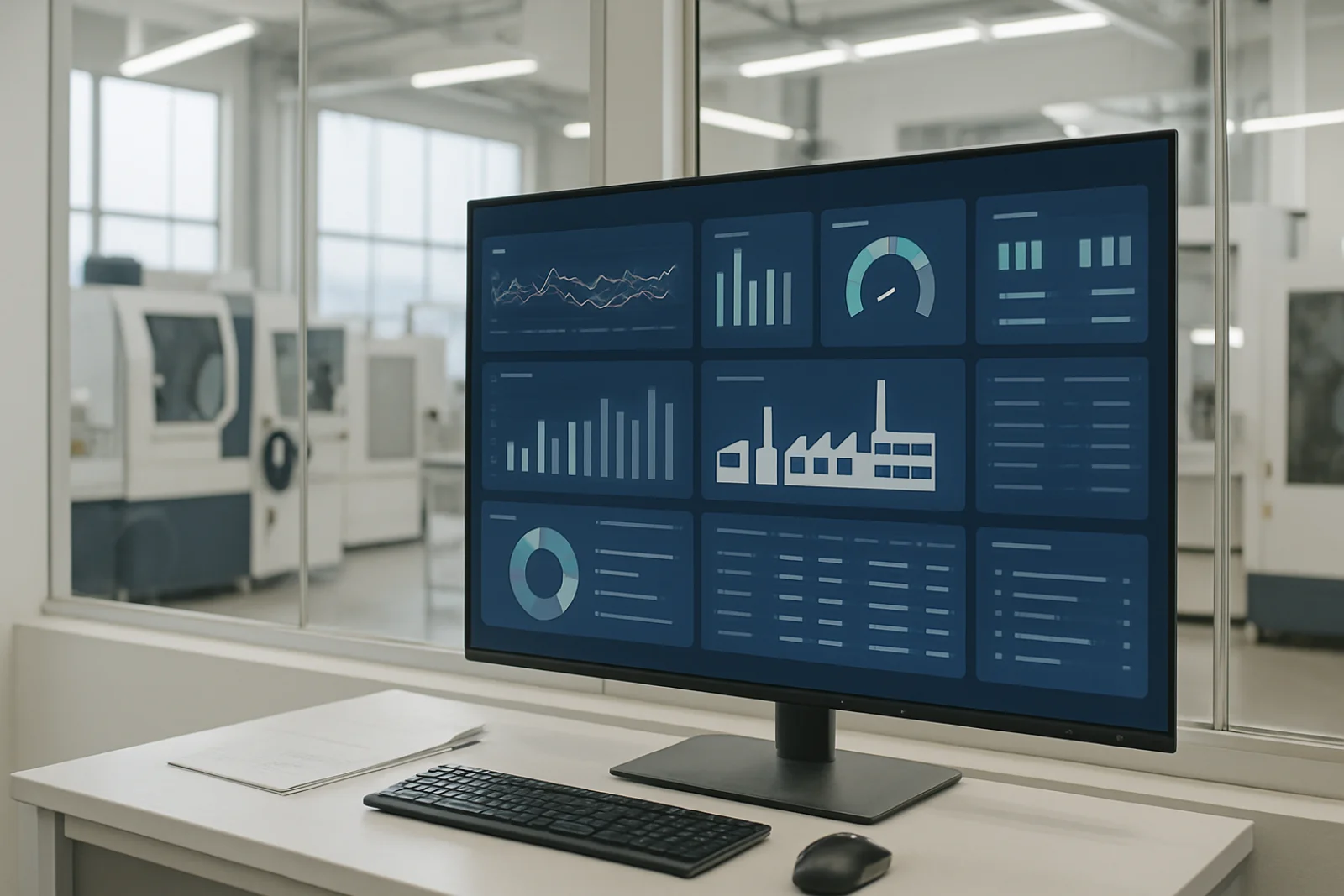
Production optimization is more than tracking numbers on a dashboard—it's about translating real-time data into operational improvements. As manufacturing systems evolve, professionals face pressure to deliver higher output with fewer resources and tighter tolerances. This article breaks down actionable steps for integrating production optimization with industrial automation, additive manufacturing, and lean manufacturing principles. Remember, small changes can have a big impact.
The Foundations of Production Optimization
At its core, production optimization means maximizing throughput, minimizing waste, and improving quality—without sacrificing safety. Lean manufacturing methodologies provide a solid foundation by targeting value creation and reducing non-value-adding steps. But to truly optimize, manufacturers must also embrace technologies like industrial automation and additive manufacturing.
Real-World Example:
At a mid-size automotive parts plant, implementing 5S principles (Sort, Set in order, Shine, Standardize, Sustain) reduced changeover times by 20%. When combined with basic automation, such as conveyor upgrades, the plant saw a 12% increase in daily throughput. Continuous improvement is the key.
Step 1: Map and Analyze Your Current Process
Before you can optimize, you need a clear picture. Use value stream mapping to visualize every step, from raw material intake to final shipment. Identify barriers—bottlenecks, excessive movement, or manual handoffs.
Checklist:
Document every process step
Record cycle times and downtime
Interview operators for pain points
Monitor WIP (work-in-process) levels at each stage
The right tools make all the difference. Digitalization, such as MES (manufacturing execution system) dashboards, can help capture this data in real time. For more on digital factory tools, see our guide on [factory digitalization](engineering/manufacturing-engineering/factory-digitalization).
Step 2: Eliminate Waste and Introduce Lean Principles
Once you've mapped your process, look for the infamous seven wastes: overproduction, waiting, transport, overprocessing, excess inventory, motion, and defects. Implement just-in-time (JIT) production where possible, and standardize work procedures.
Quick Wins:
Create visual controls (kanban boards, floor markings)
Standardize tool locations
Cross-train operators to reduce bottlenecks during absences
Let's translate data into better results. Even a simple tool shadow board can reduce search time and improve OEE (Overall Equipment Effectiveness).
Step 3: Leverage Industrial Automation
Industrial automation helps streamline repetitive or dangerous tasks. Start by automating high-variability, error-prone steps, and gradually expand. Automation isn't about replacing people—it's about letting skilled workers focus on problem-solving and value-added tasks.
Action Plan:
Identify processes with high error rates or repetitive motion injuries
Pilot low-cost automation (e.g., pick-and-place robots, conveyor sensors)
Integrate real-time monitoring for predictive maintenance
For a deeper dive, review our article on [industrial automation best practices](engineering/manufacturing-engineering/industrial-automation).
Step 4: Integrate Additive Manufacturing
Additive manufacturing is reshaping how prototypes and tooling are produced. It reduces lead times and enables rapid design iterations. For mass production, consider using 3D printing for custom jigs, fixtures, or replacement parts to minimize downtime.
Practical Example:
A packaging plant used in-house 3D printing to create custom end-of-arm tooling for their robotic pickers. This reduced tooling change time from three days (outsourced machining) to eight hours (on-site printing and assembly).
Step 5: Establish a Culture of Continuous Improvement
Optimization is not a one-time project—it's a mindset. Foster open feedback, reward suggestions, and set up regular Kaizen (improvement) events. Data-driven decision-making empowers your team to prioritize changes that matter most.
Tips:
Set up clear KPIs (Key Performance Indicators) visible to all
Hold daily huddles to discuss progress and challenges
Recognize small wins to build momentum
Conclusion: Make Incremental Improvements Count
Production optimization doesn't require a massive overhaul. Start with a process map, eliminate waste, automate intelligently, leverage additive manufacturing, and build a culture of ongoing improvement. The right tools make all the difference—and with a systematic approach, you will translate data into better results. Sometimes, it's the small changes that have the biggest impact.
Content is for informational purposes and not formal engineering advice. Readers should consult qualified professionals for site-specific solutions. Technologies and standards may vary by region and application.
Loading…