Industrial Robots: Driving Smarter Manufacturing on the Factory Floor

With over 30 years in robotics, I help industries adapt to smart automation and AI-driven solutions across Europe.
If you’ve walked through a modern European factory in the last decade, you’ve likely seen industrial robots in action. From automotive assembly lines in Germany to electronics plants in the Czech Republic, these robots are no longer futuristic novelties—they’re the backbone of smart, competitive manufacturing. As someone who’s spent years integrating automation across sectors, I can assure you: practical knowledge and the right approach are what make or break a robotics project. Let’s look at real-world impact.
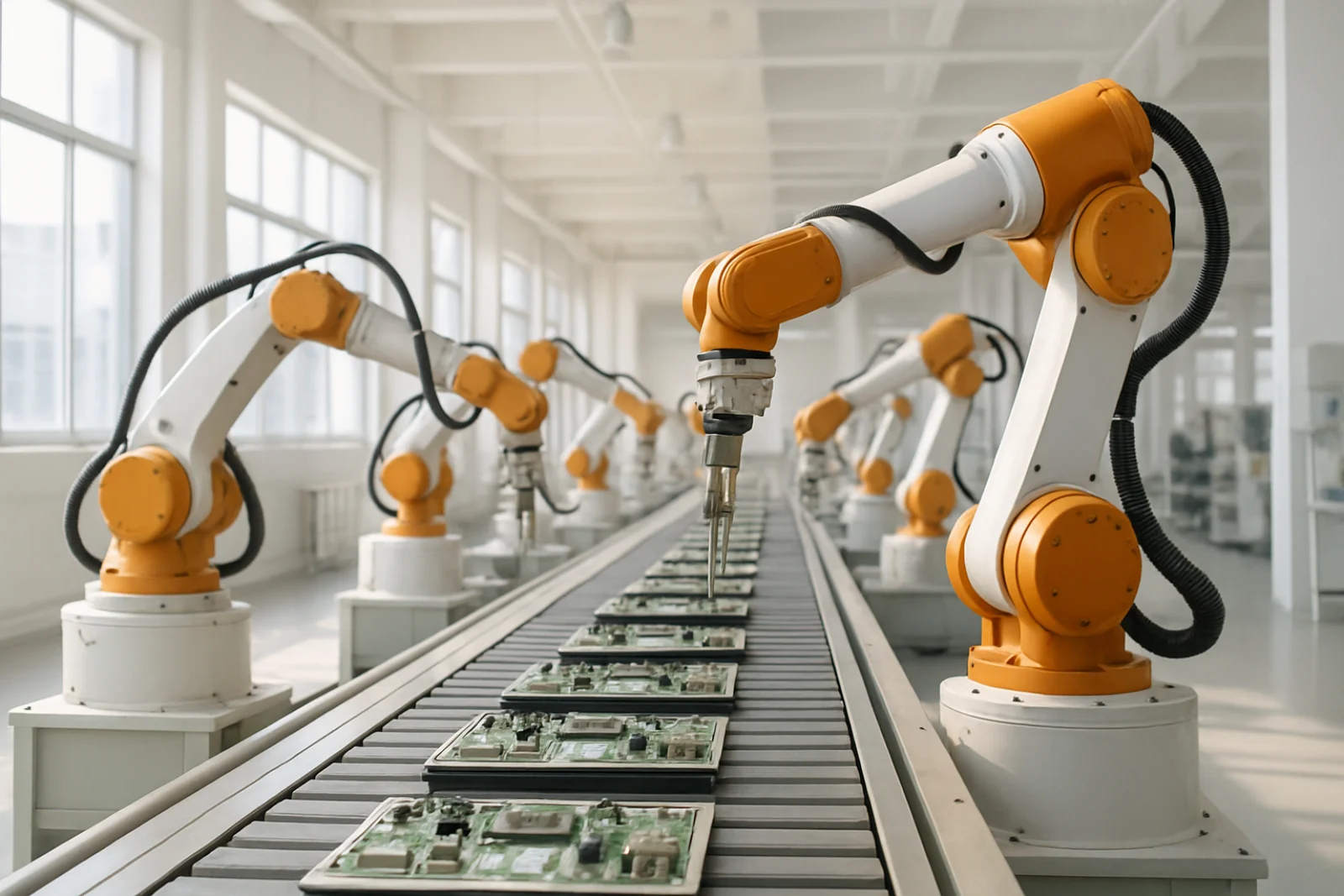
What Are Industrial Robots?
Industrial robots are programmable machines designed to perform repetitive, high-precision tasks in manufacturing environments. They range from classic articulated arms—welding, painting, or assembling parts—to agile SCARA and delta robots picking and packaging products at dizzying speeds. Today’s robots often work alongside human operators, boosting productivity while maintaining safety standards.
Every challenge brings a lesson. When I started in robotics integration, the most common misconception was that robots are simply machines you “plug and play.” In reality, they’re highly customizable solutions that require careful planning, integration, and training.
Core Applications: Where Robots Deliver the Most Value
Practicality comes first: to justify an investment in robotics, focus on areas with tangible ROI and safety benefits. Here are classic use cases I’ve witnessed thrive across Europe:
Material Handling: Robots transport heavy loads, reducing workplace injuries and streamlining logistics. I saw a mid-sized Polish manufacturer cut material transfer time by 35% just by automating palletizing.
Assembly and Welding: Automotive giants in Germany rely on robots for precision spot welding, improving consistency and slashing defects. The key is not just the robot, but its seamless integration with conveyors, vision systems, and safety enclosures.
Pick and Place: In food processing and electronics, SCARA and delta robots handle delicate or repetitive tasks with speed no human can match. For instance, one medical device plant in Ireland boosted throughput by 50% by deploying delta robots for assembly.
Change starts on the factory floor. Each case demands a tailored solution, not a one-size-fits-all approach.
Integration: Steps to a Successful Robotics Project
Smart automation needs smart people. Here’s my step-by-step guide to integrating industrial robots, drawn from dozens of projects across sectors:
Define the Problem: What task needs improvement? Talk to operators—they know the bottlenecks best.
Assess Feasibility: Can the task be reliably automated given current technology, part variability, and budget?
Select the Right Robot: Choose based on payload, reach, speed, and required precision. In high-mix, low-volume plants, flexibility is crucial.
Plan Safety: European regulations (like ISO 10218) are strict—don’t cut corners on risk assessment, guarding, or training.
Integrate and Test: Work closely with robot suppliers and system integrators. Simulation tools help catch layout or programming bugs early.
Train Staff: Upskill operators and technicians so they’re empowered, not sidelined.
Monitor and Improve: Use data from the robot’s systems to tweak cycles and preempt maintenance issues.
Lessons from the Field: Common Pitfalls and How to Avoid Them
Industrial robotics can deliver outstanding results—but only if you steer clear of classic mistakes. Here are my top three lessons:
Underestimating Process Variation: Robots crave consistency. A slight tweak in part orientation or lighting can throw off an automated vision-guided cell. Always gather real production data before specifying a system.
Neglecting Staff Buy-in: Change can create anxiety. Involve your team early, highlight training opportunities, and celebrate wins. I’ve seen productivity soar when operators felt engaged, not threatened.
Skipping Maintenance Planning: Robots are reliable, but only with proper upkeep. Factor in preventive maintenance and spare parts from day one.
The Future: Collaborative Robots and Digital Factories
Robotics isn’t standing still. Cobots—robots designed to work safely alongside humans—are reshaping small and medium enterprise automation. They’re easier to program, deploy, and relocate, opening doors for agile production in sectors from logistics to healthcare.
Meanwhile, digitalization is making robots smarter: predictive maintenance, real-time data analytics, and seamless integration with Manufacturing Execution Systems (MES) are all part of the next wave. The future belongs to flexible, data-driven plants—and to teams willing to learn and adapt.
Conclusion: Step Forward with Confidence and Curiosity
Industrial robots are essential to European manufacturing’s future, but the journey doesn’t start—or end—with just buying machines. It’s about solving the right problems, empowering your people, and constantly learning from the shop floor.
For robotics engineers, managers, or STEM students—whether you’re plotting a first robot project or scaling up a smart factory—focus on practical integration, honest assessment, and collaboration. Every successful installation I’ve seen started with conversation, curiosity, and a commitment to real improvement.
Ready to make your plant smarter? Start with the problem, involve your team, and don’t hesitate to reach out for expertise. Smart automation needs smart people.
---
Content is for informational purposes and not professional engineering advice. Consult with a certified specialist before implementing automation solutions. Opinions are my own and do not represent employer or client organizations.
Loading…