Robot Vision: The Eyes and Insights of Modern Robotics

I build smarter robots for dynamic environments and guide industries on next-gen automation, from factory floors to humanoid helpers.
Robotics is no longer the stuff of science fiction. From assembly lines to autonomous delivery to medical assistants, robots are making informed decisions in increasingly dynamic environments. At the heart of this transformation is robot vision—an integrated approach that gives machines the ability to see, interpret, and interact. Let’s unpack how this works and why it matters.
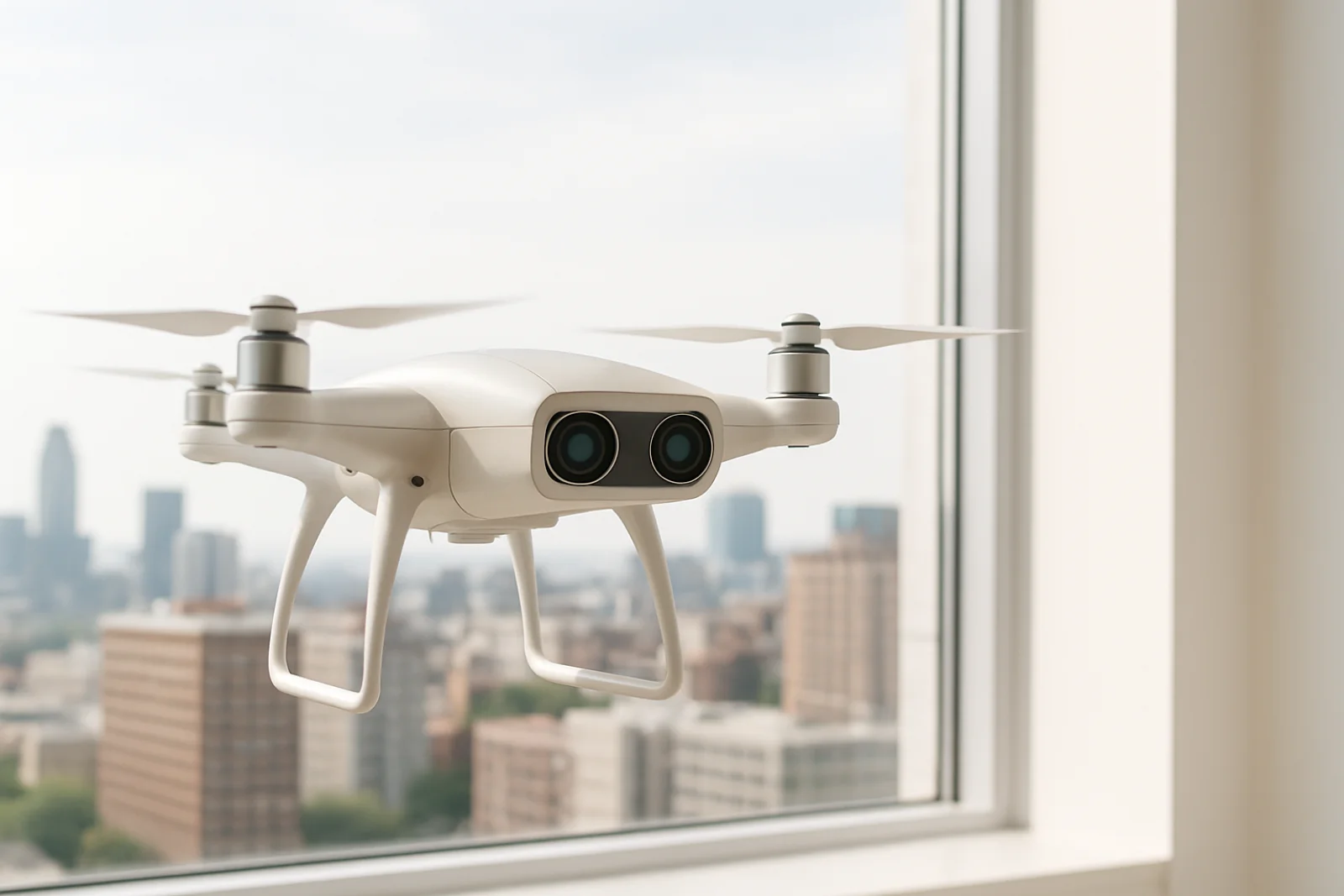
What is Robot Vision?
Robot vision (sometimes called machine vision in industrial contexts) is the combination of hardware and software that enables robots to process visual information. This involves capturing images via cameras or sensors and interpreting the information to make real-time decisions—think of it as the robot’s equivalent of human sight and perception. In industrial robotics, this means everything from verifying product quality on a conveyor to guiding robotic arms through complex assemblies. In humanoid robots, vision is crucial for navigation, object recognition, and social interaction.
Key Components of a Robot Vision System
Robot vision systems typically consist of:
Image Acquisition: Cameras (2D or 3D), laser scanners, or depth sensors collect raw visual data.
Processing Hardware: Embedded computers or edge devices process images locally; sometimes, data streams to more powerful servers.
Vision Software: Algorithms extract features, recognize patterns, and provide actionable insights (such as object location or defect detection).
Illumination: Reliable, consistent lighting is critical—details make a difference in robotics.
Practical Applications in Industry
Real progress starts with strong engineering. Let’s look at some real-world uses where robot vision is indispensable:
Quality Inspection: Vision-guided checks catch defects faster and more consistently than the human eye, improving product quality and traceability.
Pick-and-Place Automation: Vision systems help robots locate objects, adapt to varied part orientations, and even differentiate between similar components.
Safety and Collision Avoidance: Vision isn’t just about production—it’s also about safety. Robots with vision can identify humans in workspaces and dynamically reroute or stop when necessary. Safety and usability can go hand in hand.
Guided Navigation: From AGVs (Automated Guided Vehicles) in warehouses to collaborative robots (cobots) on factory floors, vision enables flexible navigation and obstacle avoidance.
Best Practices for Deploying Robot Vision
Collaboration drives meaningful change, especially when integrating robot vision into complex environments. Here are actionable best practices:
Define Clear Objectives: Start by identifying what you want the vision system to achieve—error-proofing, speed, adaptability, or safety.
Select Fit-for-Purpose Hardware: Choose cameras and lighting solutions that suit your environment. Industrial spaces often need robust, dust-resistant equipment.
Integrate with Existing Systems: Ensure vision software communicates seamlessly with robot controllers, PLCs, and MES/ERP systems.
Prioritize Safety and Compliance: Always consult relevant safety standards and professionals before deploying robotics solutions. Consider risk assessments for vision-guided motions.
Maintain and Calibrate Regularly: Vision systems drift over time—regular calibration and preventive maintenance are crucial for reliability.
Common Challenges and How to Overcome Them
No two deployments are identical, but some challenges pop up frequently:
Variable Lighting: Unstable lighting can lead to inconsistent results. Use controlled LED lighting and shields where possible.
Changing Environments: If your process changes, your vision system must adapt. Modular software and retrainable models are helpful.
Complex Object Recognition: For highly variable objects, combine multiple sensing modalities (e.g., color + depth) and robust feature extraction.
Real-Time Demands: High-speed lines require fast hardware and efficient algorithms—sometimes custom FPGA or GPU solutions are worth the investment.
The Future: Beyond 2D Cameras
Robot vision technology is rapidly evolving. We’re seeing:
3D Imaging: Structured light, stereo vision, and LiDAR give robots depth perception, crucial for bin picking and navigation.
Multispectral Vision: Beyond visible light, robots can now leverage infrared and UV for advanced inspection tasks.
Edge Computing: Moving processing closer to the robot reduces latency and increases reliability in mission-critical applications.
Conclusion: Bringing Vision to Your Robotics Projects
Robot vision is foundational for smarter, safer, and more adaptable automation—whether on the factory floor or in service robotics. Start with clear functional goals, invest in the right tools and talent, and don’t skimp on safety or collaboration. Details make a difference in robotics. If you’re an engineer, leader, or student ready to take the next step, keep learning, stay hands-on, and always consult experts for safe deployment.
Information provided is for general informational purposes only. Always consult relevant safety standards and professionals before deploying robotics solutions. Views are personal and do not represent employers or clients.
Loading…