Urban Infrastructure: Building the Backbone of Modern Cities

I'm a civil engineering student focused on urban infrastructure and geotechnical projects in Paris.
Urban life depends on smart design. Whether you're an urban engineering student, a young professional, or just fascinated by city systems, understanding how our towns and cities function is the first step to making a real difference. Let's consider the bigger picture by examining what urban infrastructure is, why it matters, and how we can build better, safer, and more sustainable cities for everyone.
What is Urban Infrastructure?
Urban infrastructure refers to the physical systems and structures that support daily life in cities. Think roads, bridges, water supply, sewage, telecommunications, power grids, and public transit systems. Without these essential components, modern urban living simply wouldn't be possible.
Key elements include:
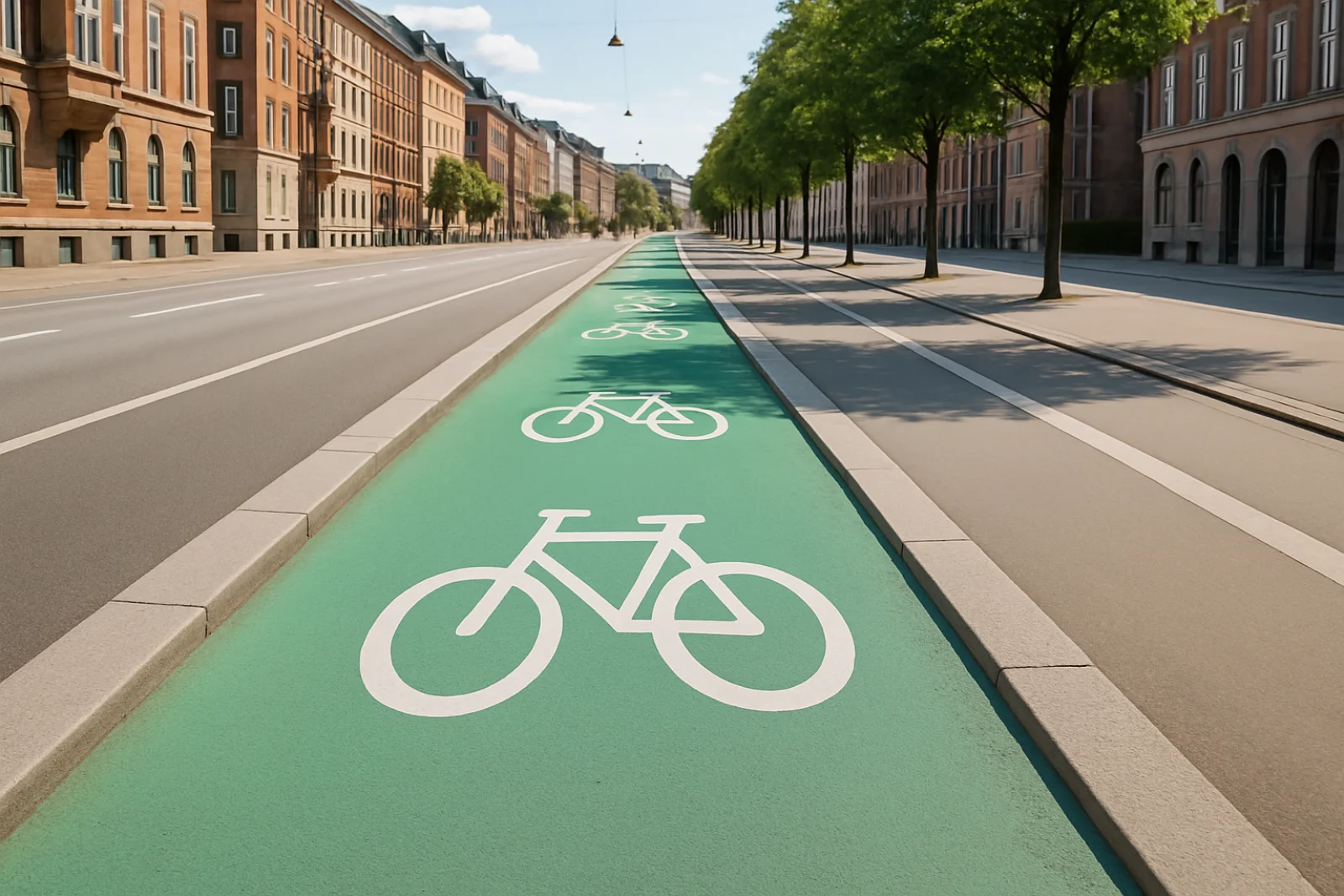
Transport networks: Roads, railways, subways, bike paths, and sidewalks.
Utilities: Water, sewage, electricity, natural gas, and internet.
Public spaces: Parks, plazas, greenways, and recreational facilities.
Resilience features: Flood control, drainage, and disaster management systems.
Why Urban Infrastructure Matters
Infrastructure connects us all. It determines how efficiently people and goods move, influences economic growth, and shapes public health and safety. For example, well-designed transport systems reduce commute times, cut emissions, and increase accessibility for everyone.
Safety and sustainability go hand in hand. Robust infrastructure also helps cities adapt to challenges like climate change, population growth, and evolving technology. As civil engineers, our job is to balance function, safety, sustainability, and cost.
Key Considerations in Urban Infrastructure Design
When planning and developing urban infrastructure, there are several critical factors:
Population Density and Growth
Predict future needs based on trends.
Design for flexibility and scalability.
Safety and Accessibility
Comply with codes and standards.
Prioritize universal access (e.g., ramps, curb cuts, tactile markings).
Sustainability
Integrate green infrastructure (rain gardens, permeable pavements).
Plan for energy efficiency and low emissions.
Community Impact
Engage residents and stakeholders in the planning process.
Consider how projects affect local businesses, schools, and neighborhoods.
Practical Steps: How to Approach Urban Infrastructure Projects
Let's break down the typical workflow for an urban infrastructure project.
Step 1: Identify Needs and Set Objectives
Gather data (traffic counts, utility usage, demographic trends).
Define project goals (e.g., improve safety, expand capacity, enhance sustainability).
Step 2: Site Investigation and Feasibility
Assess existing conditions (site surveys, geotechnical investigations).
Analyze soil and subsurface conditions to inform design options.
Step 3: Conceptual and Detailed Design
Develop preliminary layouts.
Consider multiple alternatives and evaluate trade-offs.
Prepare construction drawings and specifications.
Step 4: Permitting and Approvals
Submit plans for regulatory review.
Coordinate with authorities and stakeholders to ensure compliance.
Step 5: Construction and Quality Control
Oversee construction activities.
Monitor safety and quality standards throughout the build.
Step 6: Operation and Maintenance
Plan for long-term maintenance.
Monitor performance and make improvements as needed.
Case Study: Revamping an Urban Intersection
Let me share a real-world example from my own early-career experience. Our team was tasked with redesigning a busy intersection notorious for traffic congestion and pedestrian accidents. We:
Collected data on traffic flow and accident history.
Engaged with local residents and businesses to understand their concerns.
Introduced dedicated bike lanes, improved crosswalk visibility, and optimized signal timing.
Used permeable pavers at corners to manage stormwater runoff.
Six months after completion, accident rates dropped by 40%, and commute times shortened for both drivers and cyclists. It was a clear reminder that small, thoughtful changes can lead to big improvements in urban quality of life.
Tips for Early-Career Urban Engineers
Stay Curious: Every city is unique. Visit local projects, ask questions, and observe how people use public spaces.
Prioritize Safety: Always double-check codes and best practices. Safety is non-negotiable.
Embrace Collaboration: Civil engineering is a team sport. Work closely with architects, planners, and community members.
Think Long-Term: Design with maintenance, adaptability, and sustainability in mind.
Conclusion: Shaping the Future of Cities
Urban infrastructure is the backbone of modern city life. As future civil engineers, our challenge is to design systems that are safe, resilient, and sustainable, benefiting communities today and for generations to come. If you're ready to make a positive impact on urban life, keep learning, stay engaged, and remember—the best cities are built by those who care.
---
Content is for educational purposes and not professional engineering advice. Project examples may differ based on local codes and regulations. Readers should consult a certified engineer before applying techniques.
Loading…